


Eye bag
2026.09.04
Many individuals troubled by “puffy eyes” often assume that an Incisional Blepharoplasty is the only way to achieve improvement. In reality, whether an incisional procedure is necessary depends on the underlying tissue composition of your eyelids.
If the puffiness is caused solely by excess orbital fat, it may be possible to address it through Non-Incisional (Suture) Blepharoplasty combined with a micro-incision for orbital fat removal. However, if the condition involves hypertrophy of the orbicularis oculi muscle or the retro-orbicularis oculi fat (ROOF), an incisional procedure is often required to ensure optimal surgical precision.
Before surgery, it is essential to identify the soft tissues contributing to the volume:
Every individual’s condition is unique—it may involve a single factor or a combination. This is why we emphasize the importance of a thorough preoperative evaluation to customize the surgical plan to your specific anatomy.
If a clinical evaluation determines that your puffy eyes are primarily caused by hypertrophy of the orbicularis oculi muscle or ROOF, an incisional blepharoplasty is typically recommended.
Yes. If you have good skin elasticity and your puffiness is caused exclusively by excess orbital fat, an extensive incision may not be necessary. In such cases, the surgeon can incorporate a micro-incision—hidden within the double eyelid crease—to drain the excess orbital fat. This approach is less invasive and offers a relatively shorter recovery period.
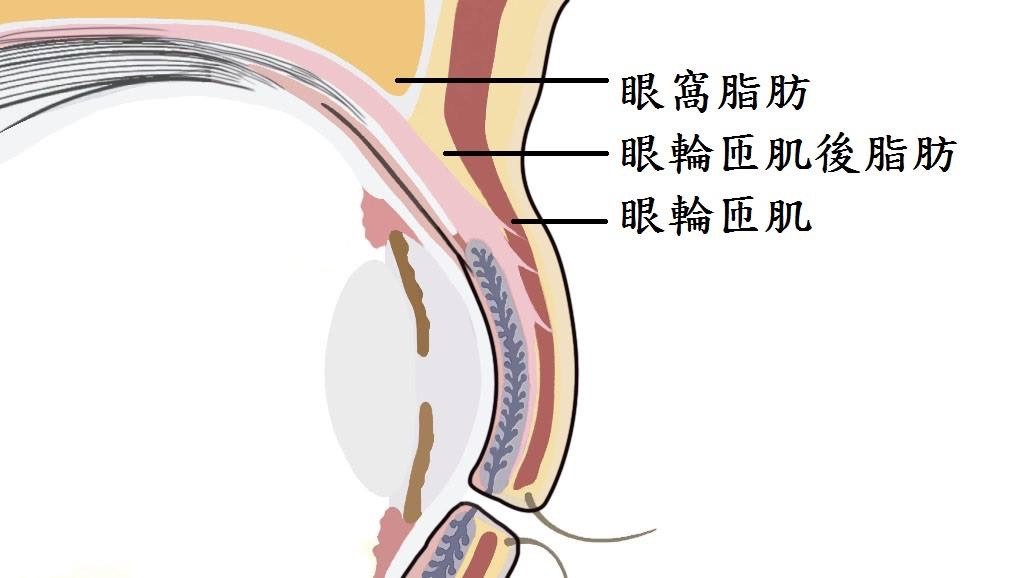
Q1: Is an incisional procedure the only option? Not necessarily. If the puffiness is due solely to excess orbital fat without skin laxity, a non-incisional blepharoplasty combined with micro-incision fat removal is a viable option.
Q2: When is an incisional procedure prioritized? When puffiness is accompanied by orbicularis oculi hypertrophy, prominent ROOF, or significant skin laxity, an incisional approach provides better access to trim tissues for a significant improvement in contour.
Q3: Can a non-incisional procedure alone improve puffy eyes? If the puffiness is of the muscular type or involves broad fat layers, a non-incisional approach alone usually fails to reduce the heavy appearance and may lead to a higher risk of crease loosening due to tissue pressure.
Q4: Will the scar from micro-incision fat removal be noticeable? The incision is extremely small (a few millimeters) and is strategically concealed within the double eyelid crease. As the recovery progresses, the scar usually fades until it is virtually invisible.


TEL 02-2700-8069
Add Our Official LINE

2F, No. 263, Sec. 1, Dunhua S. Road,Da'an District, Taipei City 106, Taiwan
Our clinic operates by appointment only.


