


Double Eyelid Surgery
2026.09.04
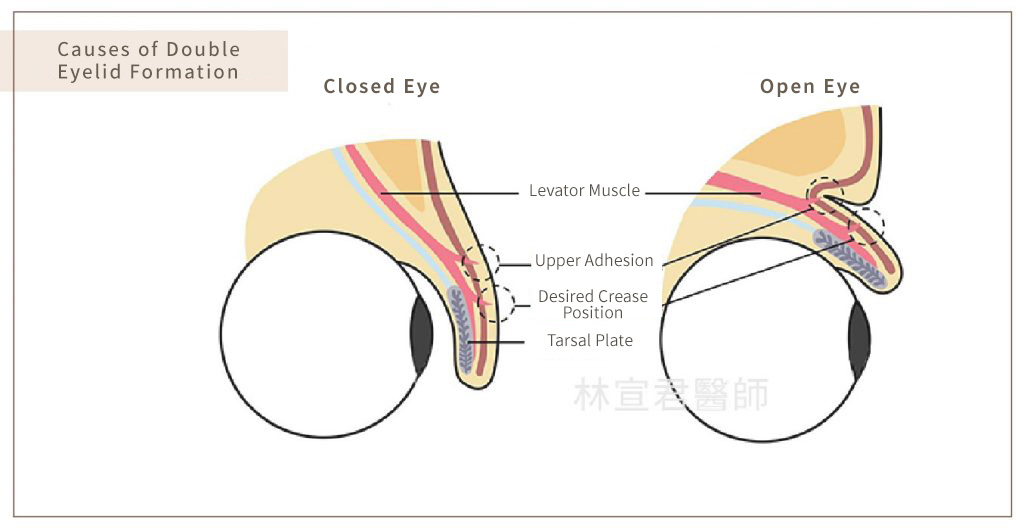
How are double eyelids formed? Exploring the dynamic art of periorbital folding Anatomically, the formation of a double eyelid is a dynamic interaction between muscle and skin. When the Levator Palpebrae Superioris (LPS) muscle contracts to open the eye, if a natural anchoring point exists between the muscle and the skin, the skin folds inward, creating an elegant crease. The essence of surgery is to establish a secure, physiological connection between these two layers.
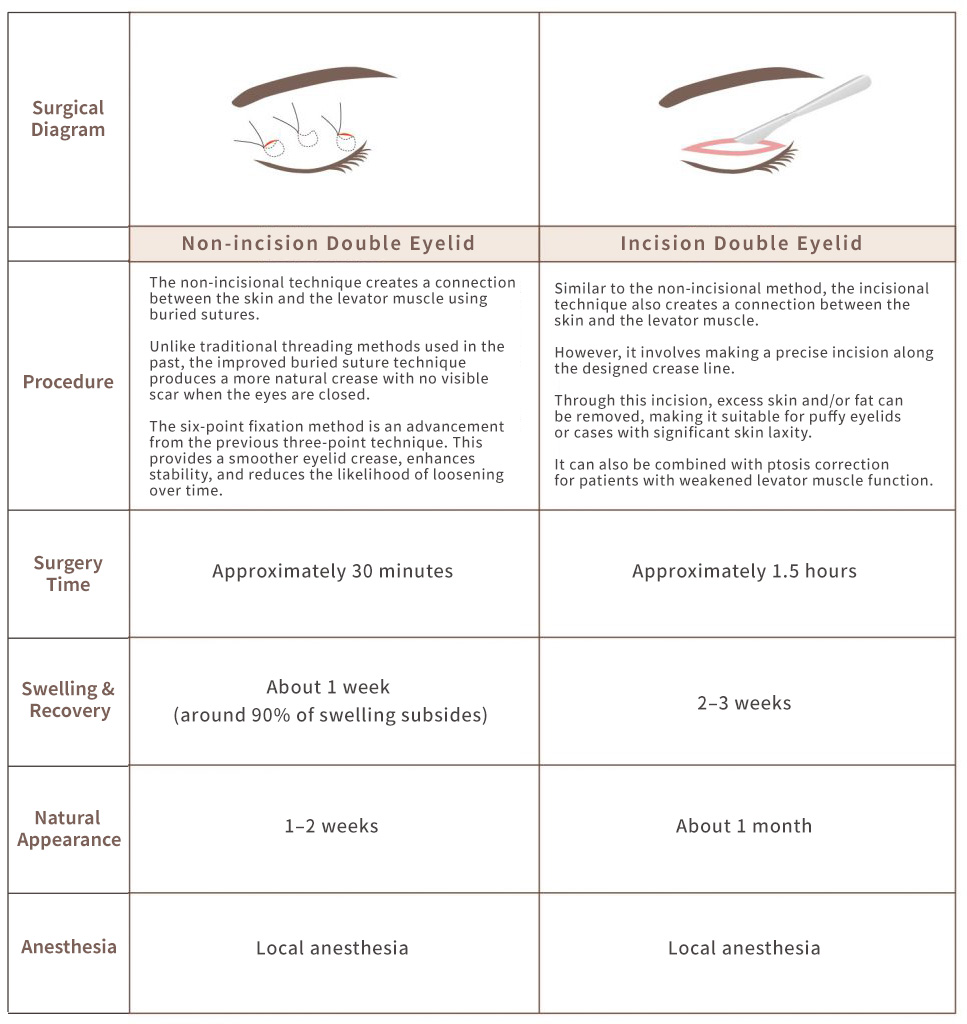
Non-Incisional vs. Incisional Blepharoplasty: Selecting Your Path Surgeons plan the surgical approach based on skin laxity and periorbital conditions. While non-incisional techniques are favored for their lack of visible scarring, an incisional approach is recommended in the following four scenarios:
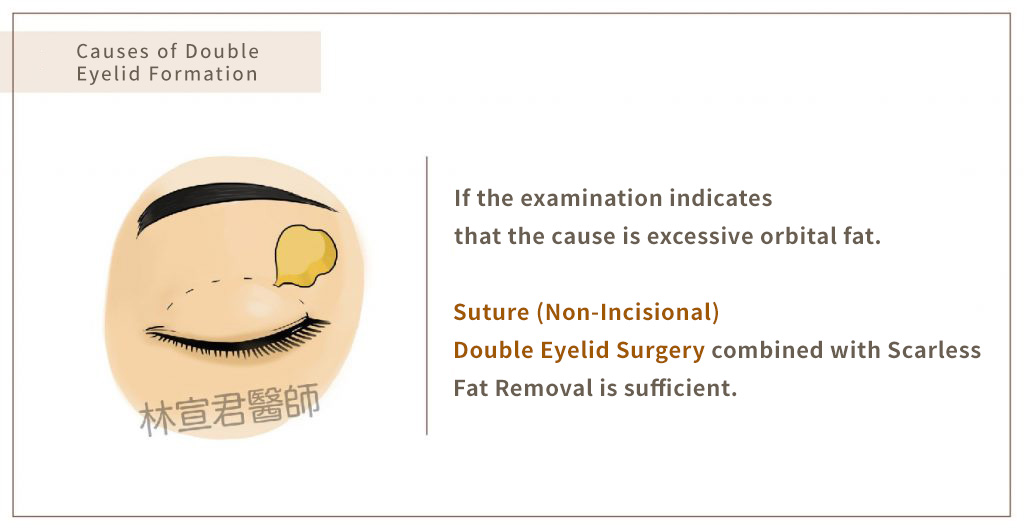
Deconstructing the “Puffy Eye” Code: Orbital Fat vs. Muscular Thickness Periorbital heaviness can stem from subcutaneous fat, muscle layers, submuscular fat (ROOF), orbital fat, or brow bone structure.
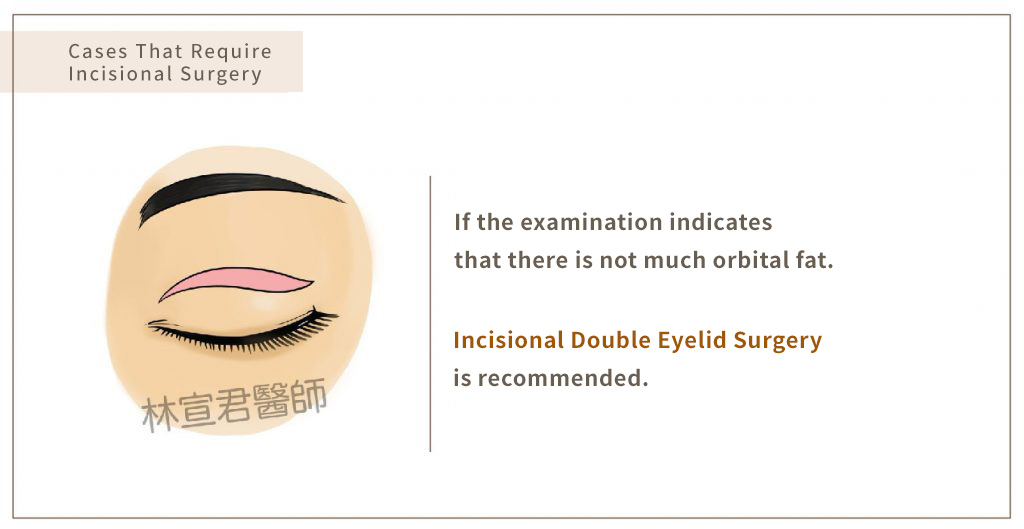
Beyond the Procedure: Why In-Person Evaluation is Vital Blepharoplasty is not a simple “one-size-fits-all” procedure. Surgeons integrate assessments of LPS function, orbital depth, and the degree of skin redundancy. Blindly comparing online cases is unreliable. We recommend a professional assessment to ensure your surgical plan is tailored to your unique anatomy.
FAQ: Common Questions Regarding Blepharoplasty
Q1: Will non-incisional double eyelids eventually “come undone”? Not necessarily. Modern suturing techniques are highly secure. If a crease fades, it is typically due to natural aging or increased skin laxity rather than the sutures failing.
Q2: Is the recovery for incisional surgery long, and does it look unnatural? Modern techniques have significantly reduced recovery time. With meticulous technique, a natural, refined result is typically achieved within 1–3 months, with no lingering stiffness.
Q3: Can I transition from a non-incisional to an incisional method later? Absolutely. Non-incisional techniques are highly reversible. If adjustment is needed later, the surgeon can remove previous sutures during the incisional procedure and redefine the crease.
Q4: Can I not have incisional surgery if I have a keloid predisposition? The eyelid is one of the few areas of the body highly resistant to keloids. Unless there is a history of severe pathological scarring, most patients are eligible for incisional surgery.
Q5: How can I perform a preliminary self-assessment? Try palpation: if the eyelid feels soft like a marshmallow and the fat is mobile, it is likely “orbital fat” (a potential non-incisional candidate). If the tissue feels dense and firm to the touch, it suggests “muscular hypertrophy,” and an incisional consultation is recommended.
💡 Still unsure which surgical method suits you best? https://reurl.cc/Dx0R1m


TEL 02-2700-8069
Add Our Official LINE

2F, No. 263, Sec. 1, Dunhua S. Road,Da'an District, Taipei City 106, Taiwan
Our clinic operates by appointment only.


