


2026.09.04
In daily life, terms like “cross-eyed” (esotropia) or “wall-eyed” (exotropia) are frequently used to describe what is clinically known as Strabismus. Because individuals with strabismus may have difficulty maintaining binocular alignment, others often mistakenly believe they are not making eye contact, which can lead to social anxiety and a lack of self-confidence.
In reality, this is a significant misunderstanding. An individual with strabismus is often intently focused on the person they are speaking with, utilizing their dominant eye. This guide clarifies these misconceptions, shares tips for empathetic social interaction, and outlines treatment paths, noting that surgery is not always required.
From an ophthalmological perspective, the reality is the opposite of the social perception:
Kindness is often found in the details. When interacting with an individual with strabismus, a simple adjustment can foster a sense of mutual respect:
Patients often ask if surgery is mandatory. The answer is no; strabismus management does not always require surgical intervention. Clinically, conservative optical methods are considered first:
If the strabismus is significant or if non-surgical methods are insufficient, surgical correction may be considered.
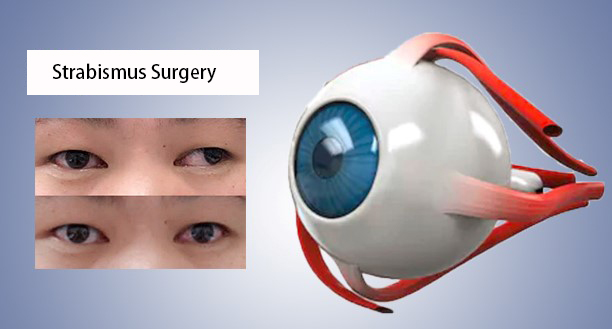
Q1: What is the medical distinction between “cross-eyed” and “wall-eyed”? Both fall under the umbrella of strabismus. “Cross-eyed” typically refers to Esotropia (inward deviation), while “wall-eyed” refers to Exotropia (outward deviation). Both result from muscle control imbalances.
Q2: Which eye should I look at when speaking to someone with strabismus? Look at the eye that is focused on you. Do not fixate on the deviating eye; focusing on the dominant eye makes the interaction comfortable and reassuring for both parties.
Q3: Do they always use the same eye to look at people? Not necessarily. Some individuals alternate their dominant eye. Regardless of which eye is currently dominant, they will always have one eye focused on you during the conversation.
Q4: Is surgery always required for strabismus? No. Many cases are well-managed with corrective lenses after a professional evaluation. Surgery is typically reserved for pediatric cases with secondary amblyopia or severe misalignment.
Q5: How is strabismus surgery performed? Is the inside of the eye affected? Strabismus surgery targets the Extraocular Muscles; it does not involve the internal structures of the eyeball. The procedure is an adjustment of the muscles responsible for eye movement, so there is no need to worry about internal ocular damage.


TEL 02-2700-8069
Add Our Official LINE

2F, No. 263, Sec. 1, Dunhua S. Road,Da'an District, Taipei City 106, Taiwan
Our clinic operates by appointment only.


