


Diabetic macular edema
2026.09.04
Many believe that if blood glucose levels are well-managed, their eyes are safe. However, retinal pathology is influenced by “metabolic memory.” When retinal microvascular leakage leads to Diabetic Macular Edema (DME), visual acuity is significantly compromised. While we cannot claim a complete “cure” for diabetic retinopathy, regular fundus examinations and precise medical interventions can effectively slow progression and maintain quality of life. There is no need for undue alarm.
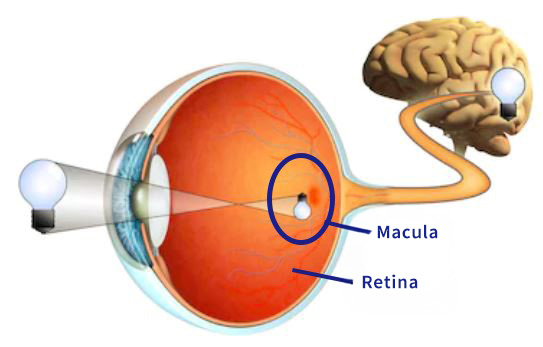
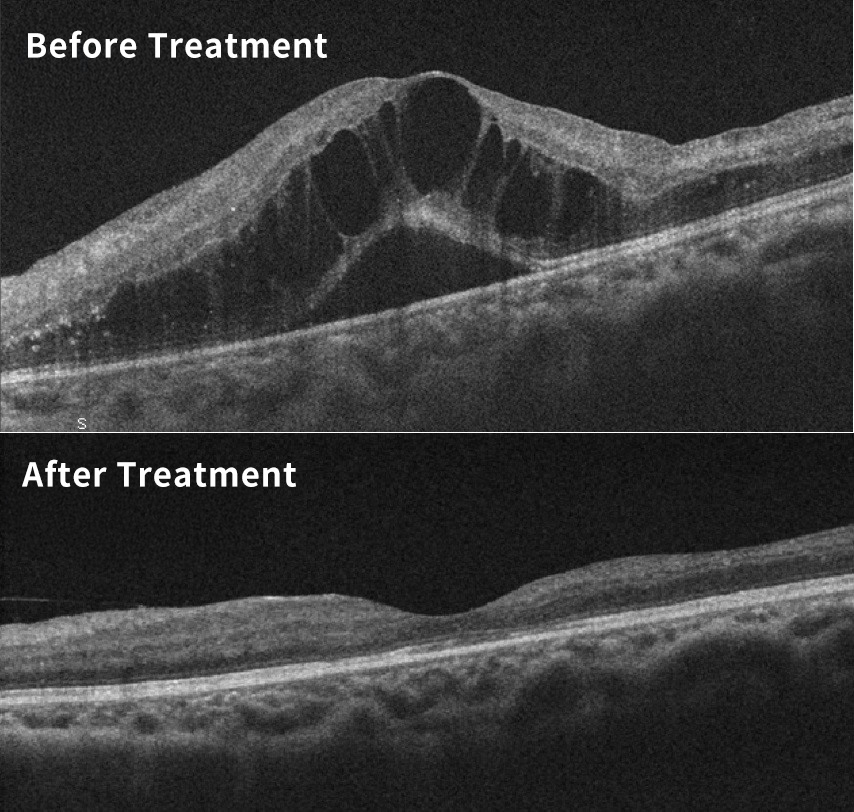
The macula is the center of the retina, responsible for the most precise vision in our central field of view. When diabetes causes microvascular damage, leading to leakage or abnormal proliferation of vessels, fluid and substances from the blood infiltrate the retinal tissue, causing swelling—this is Diabetic Macular Edema. Early-stage pathology may not affect vision; however, if leakage occurs directly in the macula, vision becomes blurred or distorted.
This is a common misconception. Clinically, diabetic retinopathy is categorized into four stages, but the severity of the retinopathy does not strictly correlate with the risk of developing macular edema. Macular edema can occur at any stage. Even if the overall pathology appears early, if leakage is localized at the macula, visual impact can be significant. Therefore, regular fundus examination remains the gold standard—one cannot rely solely on the clinical stage of retinopathy to assess risk.
Like diabetes itself, diabetic retinopathy cannot be “completely cured” or reversed by current medical standards. However, we have effective ways to preserve vision:
This is related to “metabolic memory.” The state of the retina reflects cumulative microvascular damage resulting from periods of poor glycemic control in the past. This does not mean that controlling blood glucose now is futile. On the contrary, strict management of blood glucose, blood pressure, lipids, renal function, and weight is the key to stabilizing the condition from this moment forward.
Q1: Is diabetic retinopathy severe? Is the incidence high? Yes. Nearly all Type 1 diabetes patients will develop some form of retinopathy after 15–20 years. Among all patients with diabetic retinopathy, approximately one-quarter will develop Diabetic Macular Edema.
Q2: Will early-stage pathology affect vision? Not necessarily. If the pathology does not involve the macula, early-stage vision may remain unchanged. Once macular edema is triggered, vision will decline significantly.
Q3: Is laser treatment intended to improve vision? No. Laser therapy is intended to “slow down deterioration.” It suppresses abnormal neovascularization and eliminates hypoxic stimuli to prevent further progression.
Q4: Is intravitreal injection the mainstream treatment? Yes. Once Diabetic Macular Edema is diagnosed, Intravitreal Injection of Anti-VEGF agents is currently the most effective clinical method to significantly improve vision and reduce edema.
Q5: How often should I have my eyes examined? All diabetic patients should establish a routine for regular examinations. The frequency should be determined by your ophthalmologist based on your individual fundus condition and metabolic management status.


TEL 02-2700-8069
Add Our Official LINE

2F, No. 263, Sec. 1, Dunhua S. Road,Da'an District, Taipei City 106, Taiwan
Our clinic operates by appointment only.


