


Fat Grafting
2026.09.04
Deep-set eyes or orbital hollows are not always merely a result of “fat loss.” Common etiologies include excessive thinning of subcutaneous fat, Levator Palpebrae Superioris (LPS) muscle weakness, or structural aging. Blindly performing fat grafting without addressing the underlying structural tension (such as levator muscle issues) can lead to an uneven surface or heavy, swollen eyelids. Treatment should be “symptom-specific,” aiming for dynamic equilibrium through structural remodeling.
The fullness of the eye socket is closely linked to the double eyelid crease and the vivacity of the gaze. Common causes include:
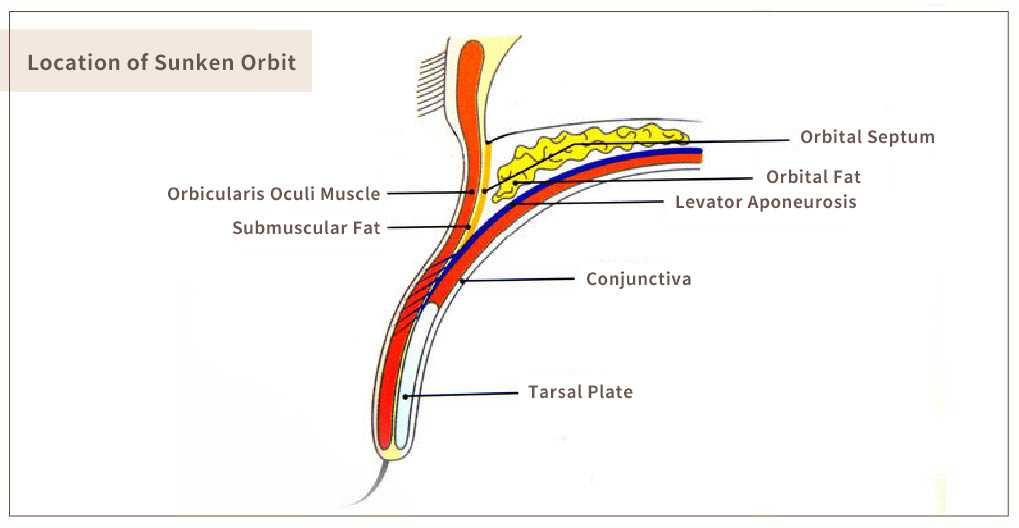
If clinical assessment confirms that the issue is primarily “orbital fat deficiency” or “subcutaneous fat thinning,” Autologous Fat Grafting may be considered.
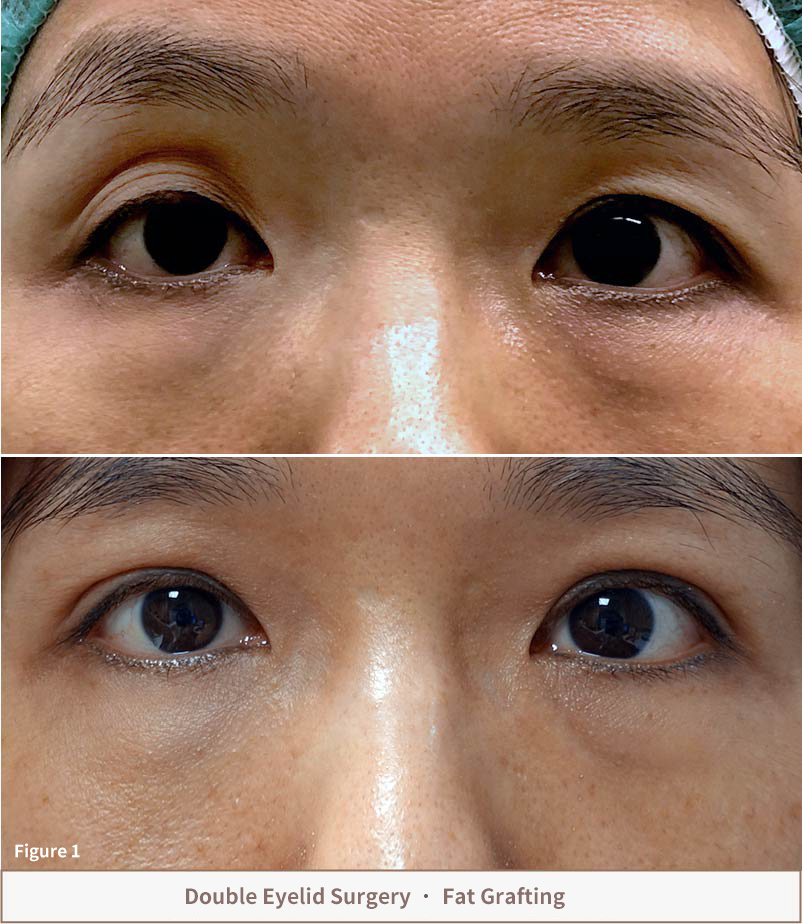
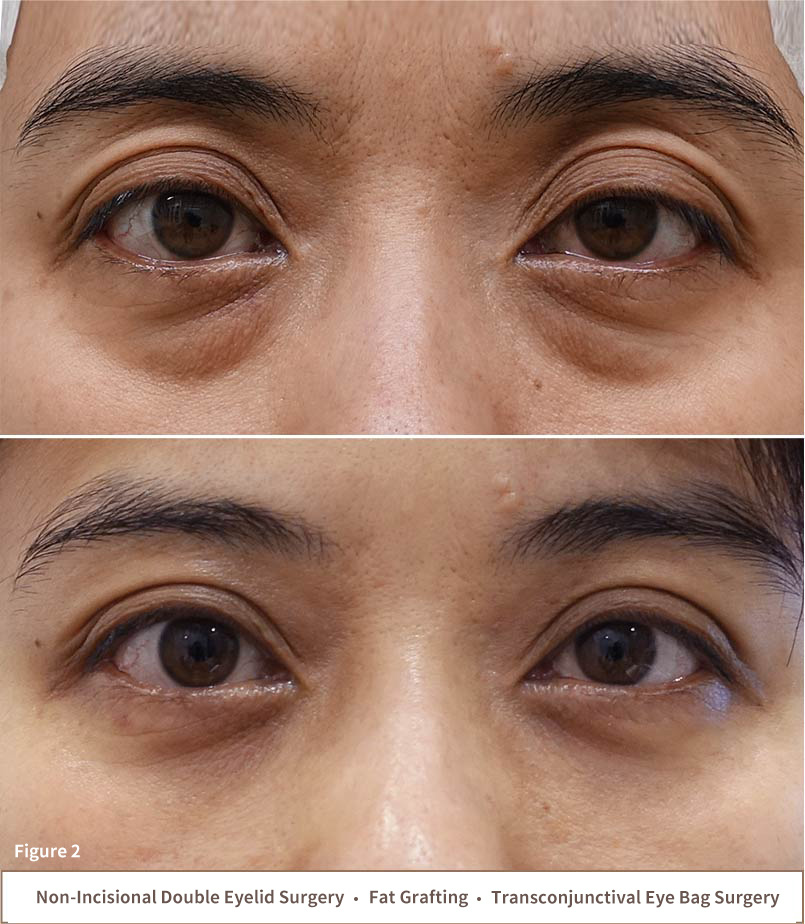
The loss of periorbital tissue is related to changes in skeletal support and long-term mechanical tissue pulling from dynamic expressions. Skincare products struggle to reverse deep structural shifts. A professional oculoplastic evaluation is the first step in clarifying the etiology.
Q1: Why do I have both orbital hollows and eye bags? This indicates an imbalance in periorbital structural tension, often linked to levator muscle weakness. When the levator muscle lacks sufficient power, deep fat undergoes dynamic displacement, creating a “sunken top, bulging bottom” shadow effect. Fat grafting alone cannot resolve this; the levator function must be addressed.
Q2: Is fat grafting permanent? Once the grafted autologous fat cells integrate with the surrounding tissue and establish a blood supply (approximately 3 months post-procedure), the surviving fat cells become permanent, integrated native tissue.
Q3: Will the appearance be unnatural after fat grafting? Precision is key. Experienced surgeons follow the principle of “subtle, micro-filling,” evenly distributing small amounts of fat within the muscular layer to avoid heaviness or surface unevenness.
Q4: Is double eyelid narrowing related to orbital hollows? Yes. Both are common signs of aging. Skin laxity leads to excess skin covering the original fold, which often coincides with the loss of fat in the deep orbit.
Q5: How can I self-assess which treatment is suitable for me? Observe whether you have a habit of “raising your eyebrows” or whether there is insufficient black pupil exposure. These are indicators of levator muscle weakness. If your gaze is bright and alert, but you simply have an orbital hollow, the cause is more likely pure fat volume loss.


TEL 02-2700-8069
Add Our Official LINE

2F, No. 263, Sec. 1, Dunhua S. Road,Da'an District, Taipei City 106, Taiwan
Our clinic operates by appointment only.


